Who this is - and isn't - for.
Empower-Her attracts a specific kind of student.
Not a specific age, fitness level, or background — a specific disposition. .
It's for you if:
— You've been thinking about doing a self defence course for a while
— You want practical skills you can actually drill, not a one-off workshop
— You'd rather learn in a small group than a packed room
— You want instructors who train regularly in a real martial art
— You move through the world the way most women do, and want to know what to do if something happens
It's not for you if you want:
— A workshop with a certificate at the end
— A fitness class that's branded as self defence
— Confidence-building exercises and role-play scenarios
— A motivational seminar
— Anything taught by people who don't train regularly themselves
Empower-Her is a course. Six weeks. Structured. Skills built session by session.
You're probably asking yourself a few things
If you've been thinking about doing a self defence course, you've probably been turning over a few questions.
Things like:
— Will I be the only beginner there?
— Will it be intimidating?
— Will I be expected to spar or fight?
— Will I be embarrassed in front of fitter or more experienced women?
— Will I have to train with men? Will I be touched in ways I'm not comfortable with?
— Will it actually be useful, or is this just another wellness workshop with self defence branding?
— What if I can't make every class??
Those are the right questions to be asking.
Most of them have clear answers. Some of them are better answered in a conversation than on a webpage.
Skills, not slogans
Most women's self defence advertising is selling a feeling.
Confidence. Empowerment. Safety as a mindset.
Empower-Her isn't built around any of that.
The course teaches a structured set of physical techniques and situational responses, drawn from over seventy years of jujutsu teaching in the Jan de Jong lineage. The techniques work because the principles work — not because the student is told she's strong.
What changes for past students isn't a feeling.
It's that they have specific physical responses to specific situations, drilled enough times that they're available without thinking.
That's what the six weeks give you.
What the first session is like.
The first thing most students notice is how technical it is.
There are introductions — names are important, and you'll meet the people you'll be training with. But no one will ask you to share why you're there, what's happened to you, or what you're hoping to overcome.
No warm-up that pretends to be self defence.
No motivational opener.
The session starts with the first technique. You work in pairs, slowly, with the instructor giving direct feedback. Most of the session is spent repeating that one technique against different versions of the same situation, until your body starts to know what to do.
You won't be asked to spar.
You won't be asked to perform.
You won't be asked to share anything you don't want to share.
The work is structured, technical, and skill-driven from the first minute.
People who've done one-off workshops before are usually surprised by how different an actual course feels.
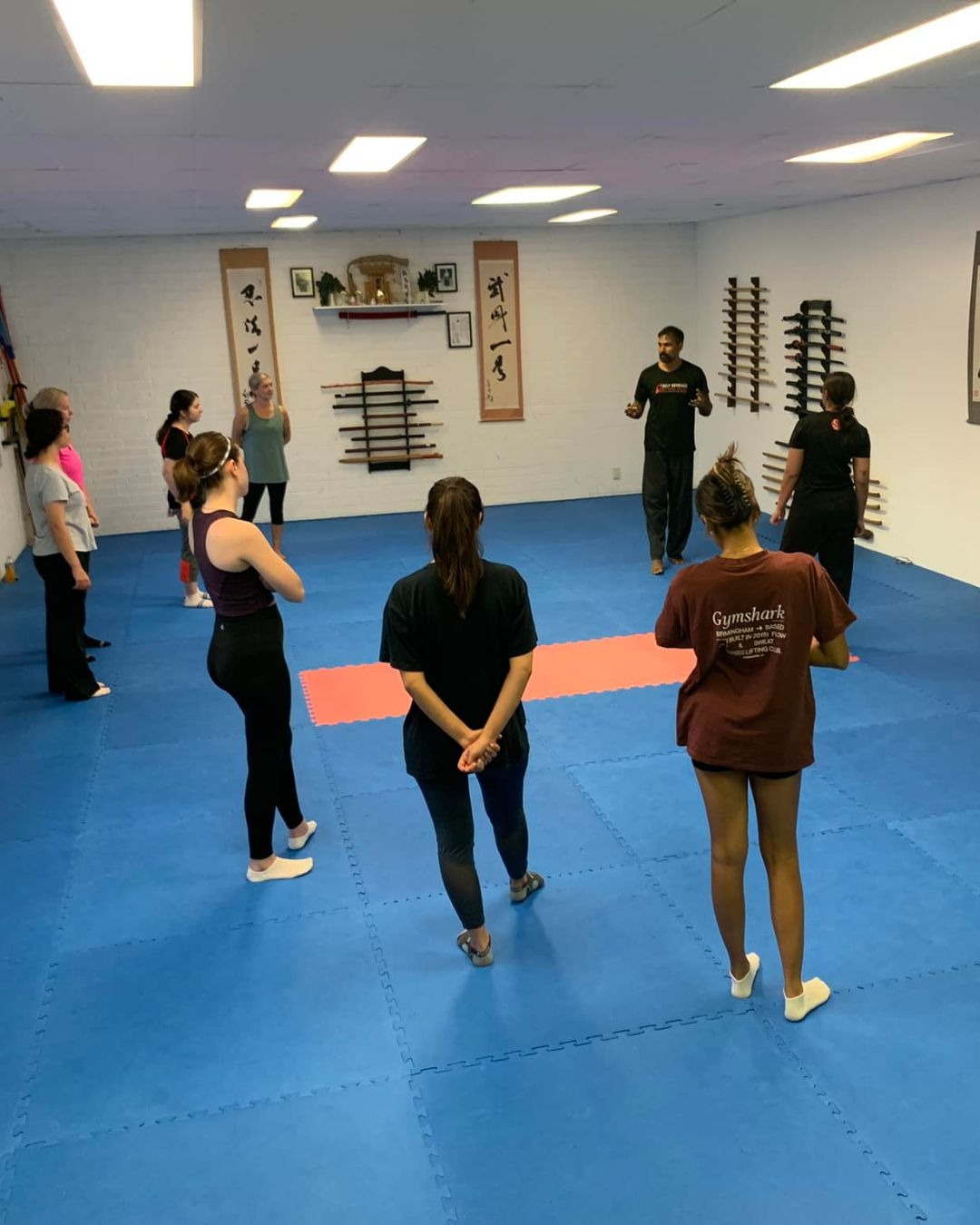
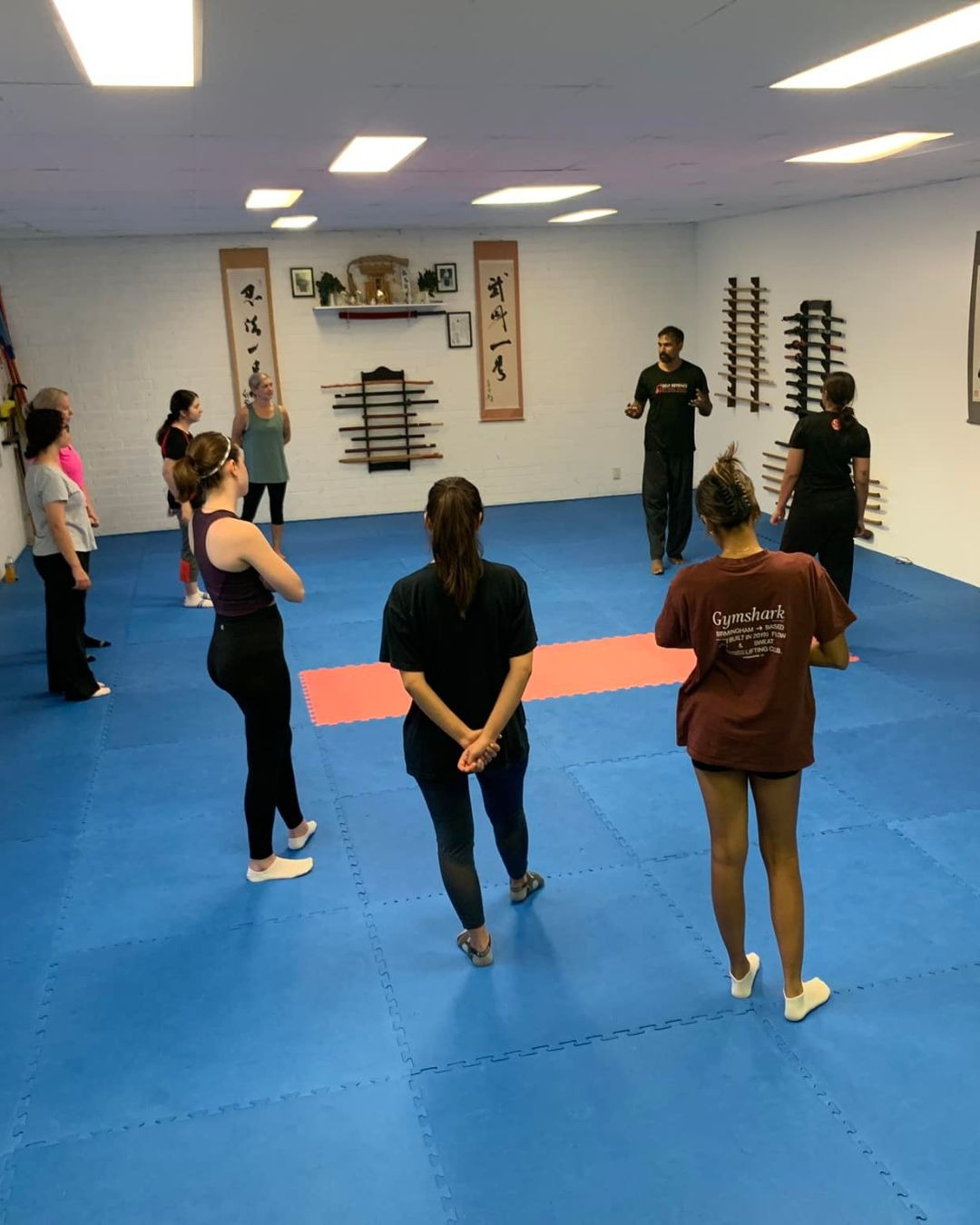
The first thing most students notice is how technical it is.
There are introductions — names are important, and you'll meet the people you'll be training with. But no one will ask you to share why you're there, what's happened to you, or what you're hoping to overcome.
No warm-up that pretends to be self defence.
No motivational opener.
The session starts with the first technique. You work in pairs, slowly, with the instructor giving direct feedback. Most of the session is spent repeating that one technique against different versions of the same situation, until your body starts to know what to do.
You won't be asked to spar.
You won't be asked to perform.
You won't be asked to share anything you don't want to share.
The work is structured, technical, and skill-driven from the first minute.
People who've done one-off workshops before are usually surprised by how different an actual course feels.
Who teachers Empower-HER
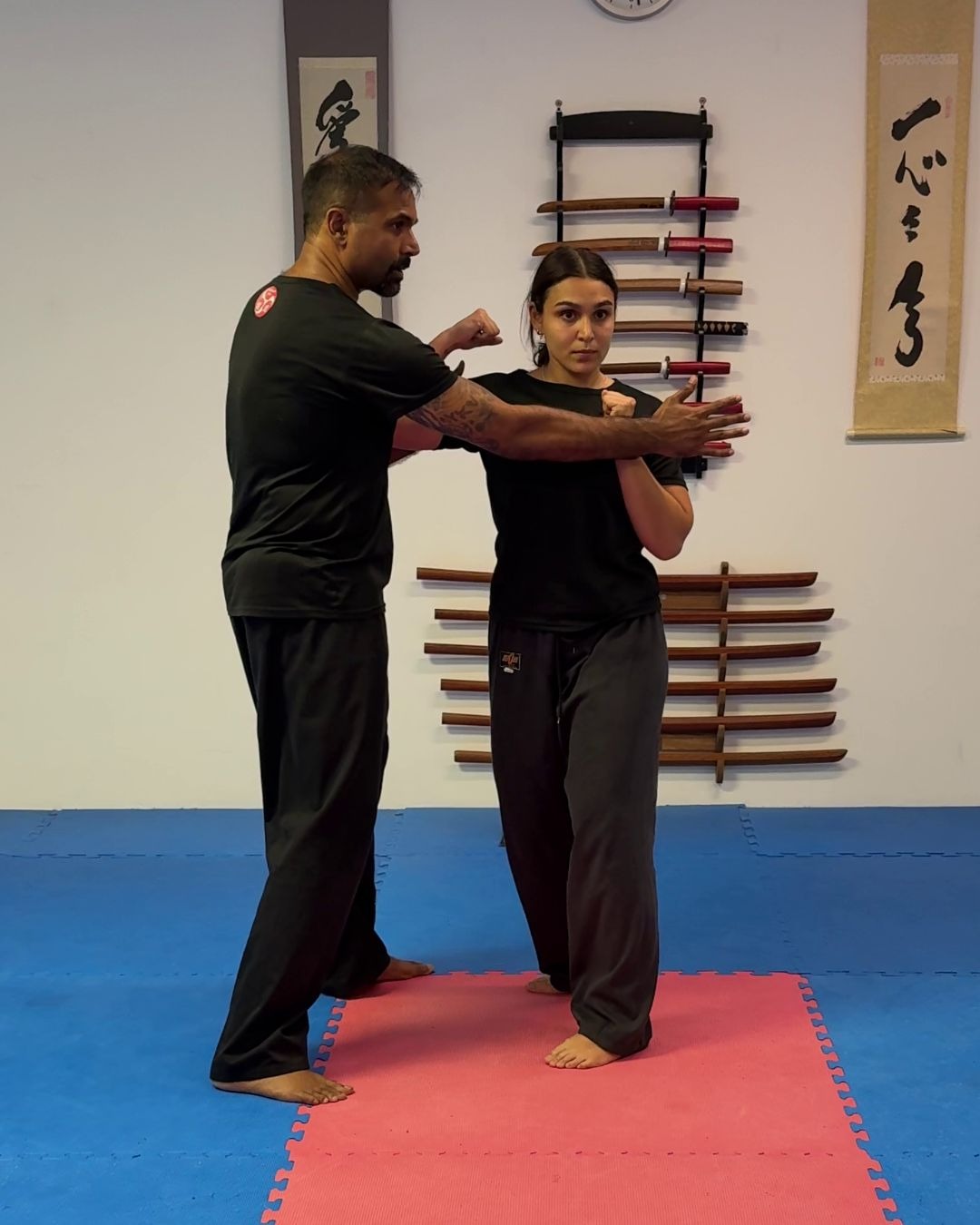
The course is run by B'Elanna Diaz, who teaches alongside Andre Diaz, the dojo's owner and principal instructor.
B'Elanna Diaz trains at Self Defence Central Dojo, specialising in Tsutsumi Hozan Ryu Jujutsu within the Jan de Jong lineage. She leads the Empower-Her course and also teaches in the dojo's Young Samurai children's program — meaning she works regularly with beginners of all ages, not just experienced students.
Andre Diaz owns and runs Self Defence Central Dojo. He holds the rank of Sandan (3rd Dan) in Tsutsumi Hozan Ryu Jujutsu and has been training continuously in the de Jong lineage since 1985 — nearly forty years. He teaches across the dojo's full programme — children, adults, and the Empower-Her women's course.
B'Elanna is Andre's daughter and has trained in the dojo since childhood.
The instructors who teach Empower-Her teach the dojo's regular jujutsu classes too. They train every week themselves. They're not weekend specialists.
Worth a conversation?
We're not going to ask you to book, register, or commit to anything here.
If what you've read sounds like it might be describing the right kind of course for you, the most useful next step is a short conversation.
Ask any question you have. Tell us anything about your situation that matters — whether you've trained before, whether you have concerns about training in a mixed dojo, whether the schedule works for you. Whatever you need to know to decide.
Tap the icon to open start a
SMS, DM (Insta, FB, WhatsApp) email..

Self Defence Central Dojo
© Copyright 2026. All rights reserved